Mac Software to Read Windows Hard Drive
Want to apply NTFS drives on a Mac? In this guide nosotros show you how to use those Windows-formatted drives in macOS.
The Mac versus PC debate isn't going to be settled anytime soon but there's no denying that Windows computers are more than widespread. For this reason, many manufacturers of external hard drives and USB sticks pre-format their devices to NTFS.
This format was created for Microsoft and allows users to quickly plug their drives into Windows machines and work with files. As NTFS is proprietary, Apple would demand a special license to use it fully on the Macs they sell.
Instead of doing this, macOS has been designed to read NTFS-formatted drives just not write to them. In other words, equally a Mac user you tin only open and view files on Windows drives: you can't change them in anyway, nor can you lot copy new files to NTFS format disks.
In this guide, y'all'll discover several solutions to this dilemma from formatting drives to a more universal file organisation to using third-party tools.
1. Format to FAT32
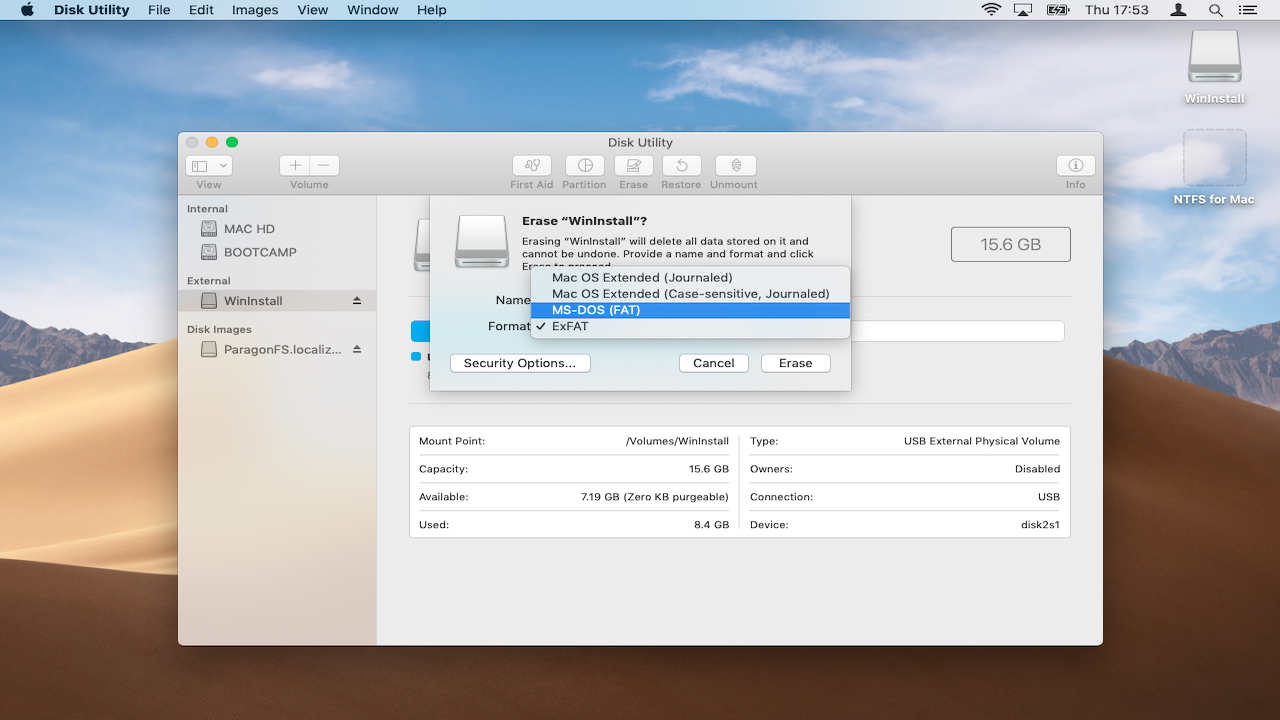
If you have an NTFS bulldoze y'all can apply macOS' Disk Utility to reformat it to FAT32. This is simple to do and means the information on your drive/USB stick can exist read and written on both Macs and PCs.
Be enlightened that the FAT32 format isn't as efficient as NTFS: it merely supports files sizes of up to 4GB. This may pose a trouble if you're using the drive to store high-quality videos. More data on FAT32 versus NTFS is available from Microsoft Support.
To go started, click the Spotlight icon at the peak correct of your screen and enter 'Disk' to launch Disk Utility. Insert your NTFS bulldoze or USB stick and click to highlight the disk name in the white box on the left-hand side of the window.
Select the 'Erase' tab. Under 'Format' choose '(MS-DOS FAT)'. Enter a new proper name for the drive in the field above if you wish.
Click 'Erase' to go along. Read the alarm carefully earlier proceeding, every bit this process will delete any existing information on the drive. From at present on y'all'll exist able to move files to your bulldoze and edit them in place from a Mac or PC.
two. Use a third-party app
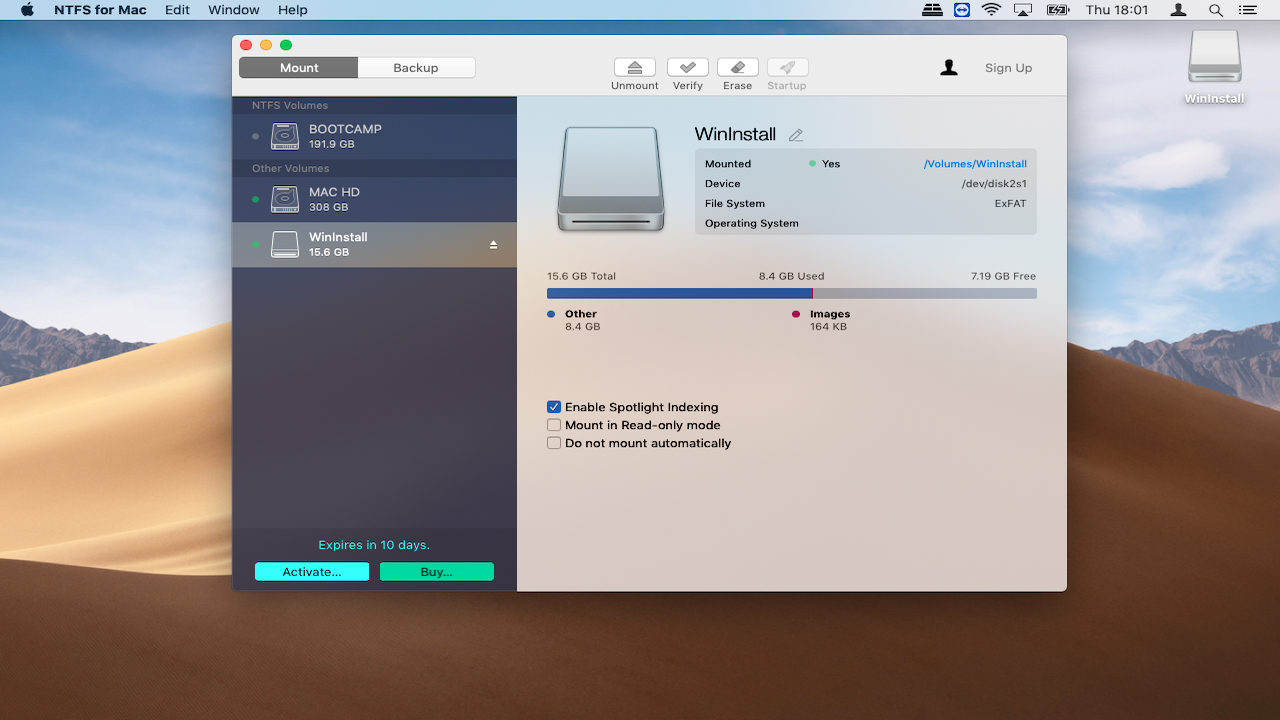
The fact that macOS doesn't support Windows NTFS drives out of the box has led to the development of a number of third-party apps, which are licensed to both read and write to Windows disks.
These can be particularly helpful if you regularly have to plug your drive into both a Mac and PC both use file sizes larger than that supported by the more universal FAT32 format.
One of the strongest contenders for macOS is Microsoft NTFS for Mac by Paragon, which offers a ten-day gratuitous trial of its features. Once installed, the app will mount your Windows drives allowing you lot to change or remove files to your hearts content.
At the time of writing there doesn't seem to be any freeware macOS programs offering NTFS write back up, which may put off users on a budget.
iii. Enable NTFS write support in Last
If reformatting your NTFS bulldoze for Mac is not an option, you can enable write support for specific Windows disks using macOS Final. This is an experimental feature and could lead to information loss, so brand certain to do a total backup of both your Mac and any information on the drive before continuing.
The chief benefit of using Terminal in this style is that it's quick to do and no third-party software is required. Equally this feature is withal in the testing phase however, your files could become corrupted at someday, so proceed with caution.
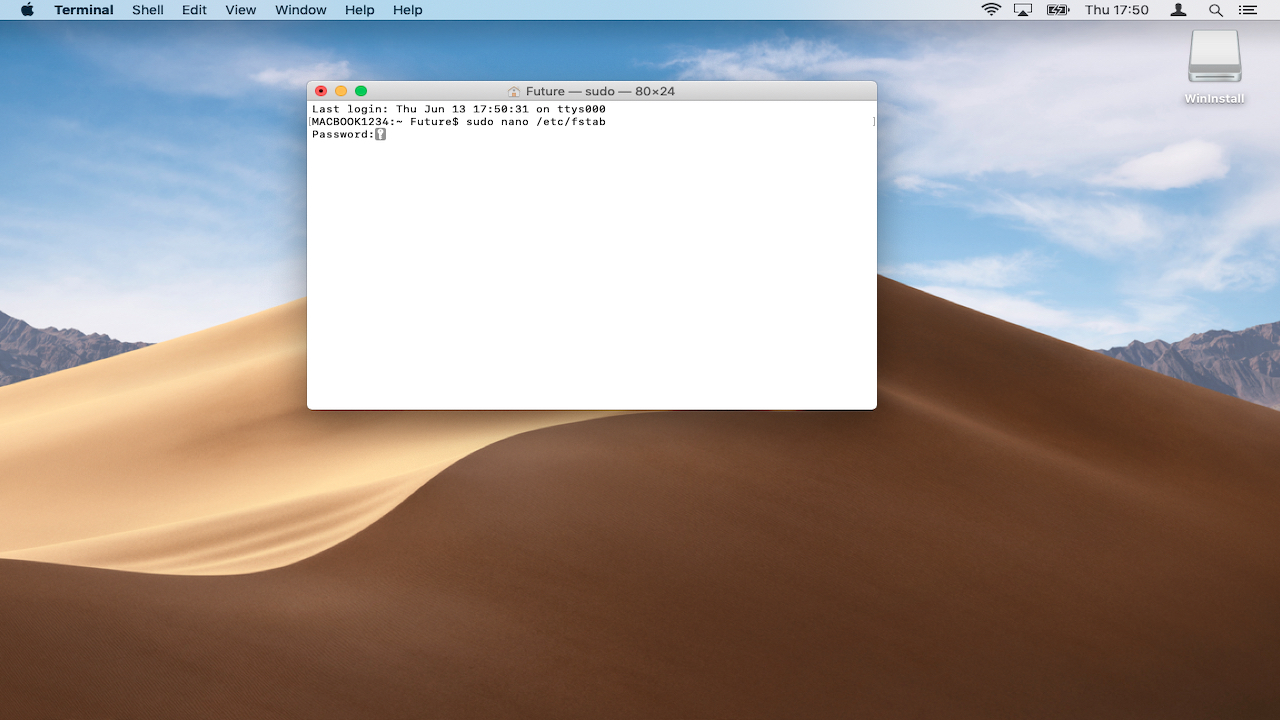
To get started, click the Spotlight icon at the top right of your screen and enter 'Terminal'. Connect your NTFS drive, then enter the command:
sudo nano /etc/fstab This will open the list of drives recognised by macOS. Use the arrow keys on your keyboard to scroll to the very end and add together the post-obit line, replacing 'NAME' with the bodily name of your NTFS drive e.chiliad. USB1 (if you lot're unsure what this is, simply open Disk Utility):
LABEL=Name none ntfs rw,auto,nobrowse Press Ctrl+O to save the list, and then press Ctrl+X to exit NANO. Next, connect your Windows drive to the Mac.
Open up Finder, and so click Go'> Get to Folder, then type '/Volumes/NAME' where 'Name' is the name of your NTFS bulldoze.
Click 'Go' to access your Windows disk. You should now be able to edit existing files and copy new ones here.
four. Apply BootCamp
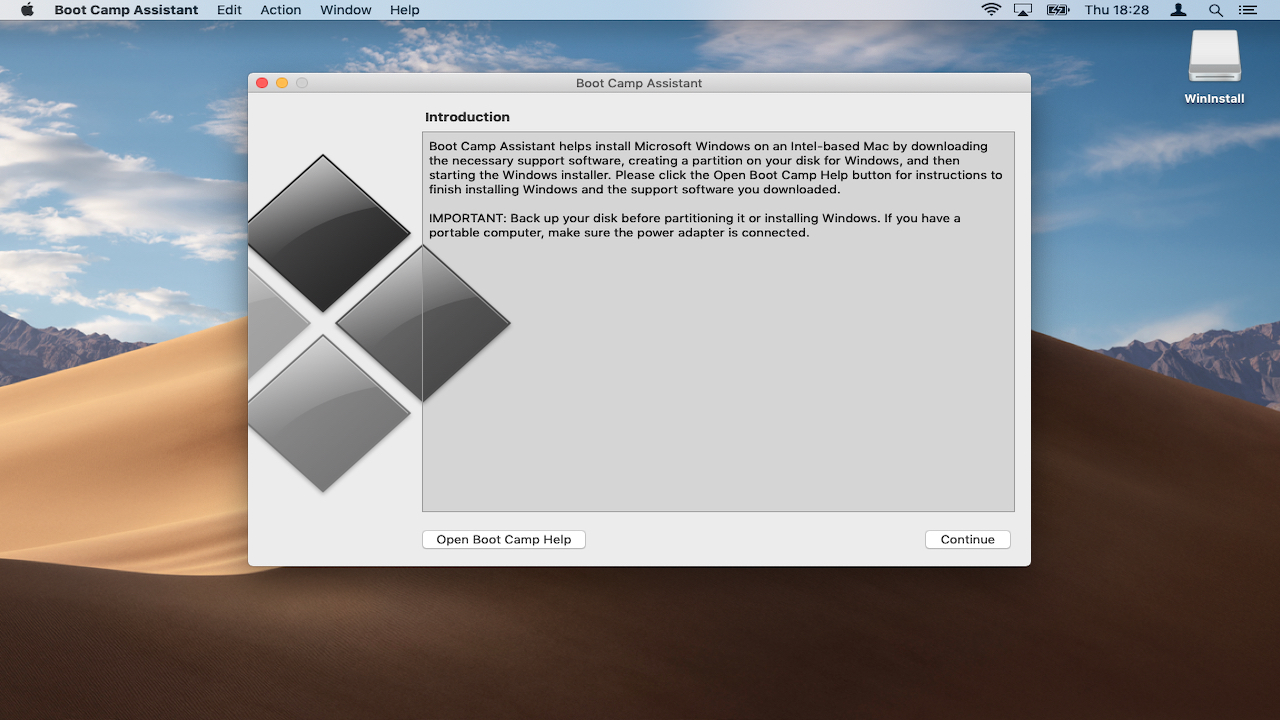
Bootcamp is macOS' own born utility for installing Microsoft Windows on your Mac. The nearly contempo version of macOS (Mojave) supports Windows 10. During the setup procedure, users shrink the size of their existing macOS installation to make room for Windows.
This allows you to boot both operating systems on your Mac. In one case gear up, Windows 10 will function on your Mac in only the same way every bit information technology would on a regular PC. This includes working with NTFS-formatted drives.
To get started, all you need is an cyberspace connection, a valid Windows 10 DVD and a USB stick of at least 8GB. See our guide on setting up BootCamp for more details on how to get started.
Although BootCamp is piece of cake to gear up and use, you must purchase a Windows 10 license to go along using the OS later xc days. You'll also naturally will accept to piece of work with files using Microsoft apps instead of those designed for Mac like iMovie.
If you lot enjoy using the iWorks app nevertheless (Pages, Keynotes & Numbers), you can work with the online versions of these tools on a PC by accessing iCloud via your browser.
When using BootCamp remember that any files y'all save to the Windows x section of the hard disk itself can't be accessed when you reboot into macOS and vice versa.
5. Move to the Deject
If you but want to work or interact on a few files, why not ditch the drives altogether and place your files in the Cloud?
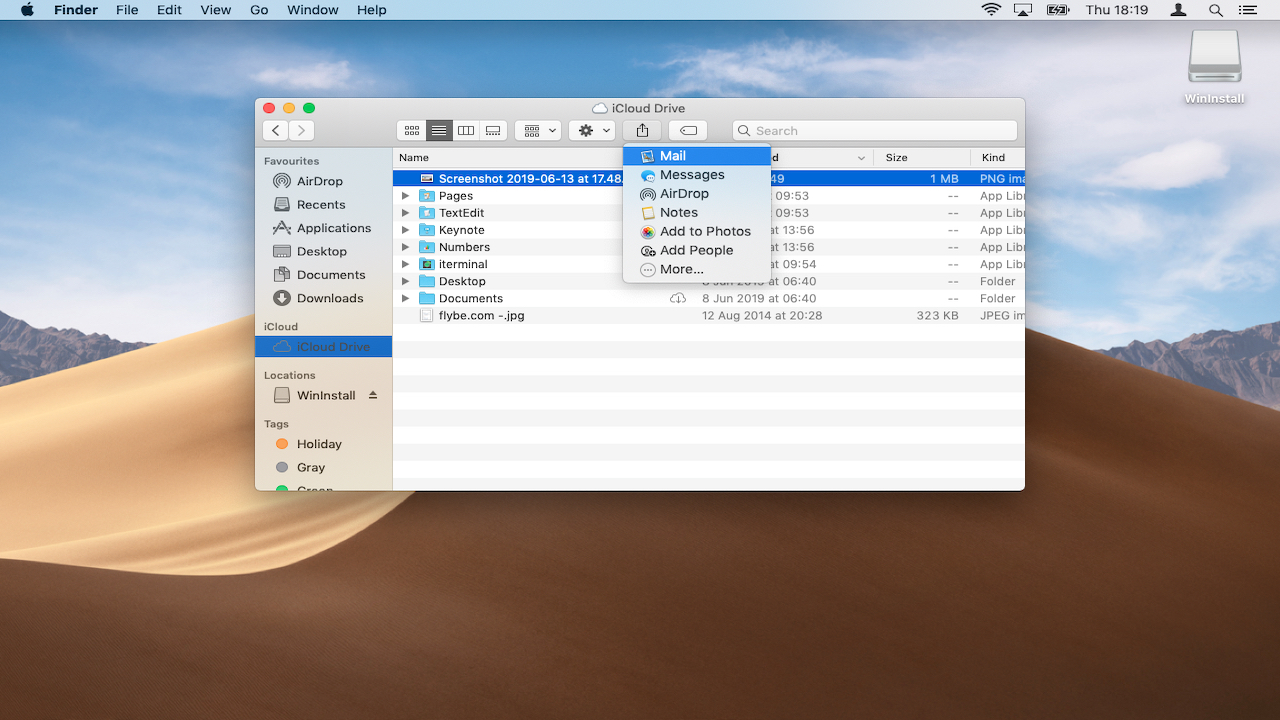
Online services such every bit iCloud Bulldoze offering a generous costless assart (5GB) and let you to immediately sync, edit and share files even if they were originally created for Windows and saved to an NTFS disk.
To accept reward of iCloud, merely open your Windows drive in Finder so copy and paste any files you want to work with to the location 'iCloud Drive'. If you don't see this is the side pane, open up Organisation Preferences > iCloud to check you're signed in and that this service is enabled.
The Mac operating organization will automatically sync the files to Apple's servers. Once you've opened the files and made any changes y'all need, you can send a sharing link to others if you wish.
To practice this, right-click on any file, then hover your mouse over 'Share'. From hither you can choose various methods to send your sharing link e.g. via 'Postal service'.
- The l best Mac tips, tricks and timesavers
loftistherameatelf1976.blogspot.com
Source: https://www.techradar.com/how-to/how-to-use-ntfs-drives-on-a-mac
0 Response to "Mac Software to Read Windows Hard Drive"
Enregistrer un commentaire